Buying undeveloped land for sale in Texas means evaluating the land itself. There’s no structure to inspect, no tenant history to review, and often no address to plug into a map. You’re assessing what the land can realistically become, what it will cost to get it there, and what restrictions or requirements come with it.

Whether you’re eyeing raw land for sale in Texas as a long-term hold, searching for commercial land for sale in Texas to develop, or weighing a parcel that sits somewhere in between, the questions you need answered are largely the same. This guide, from the team at Republic Commercial Land & Brokerage, walks through what to check before you make an offer, so you can move forward with a clear picture of what you’re buying.
Understanding the Different Types of Land
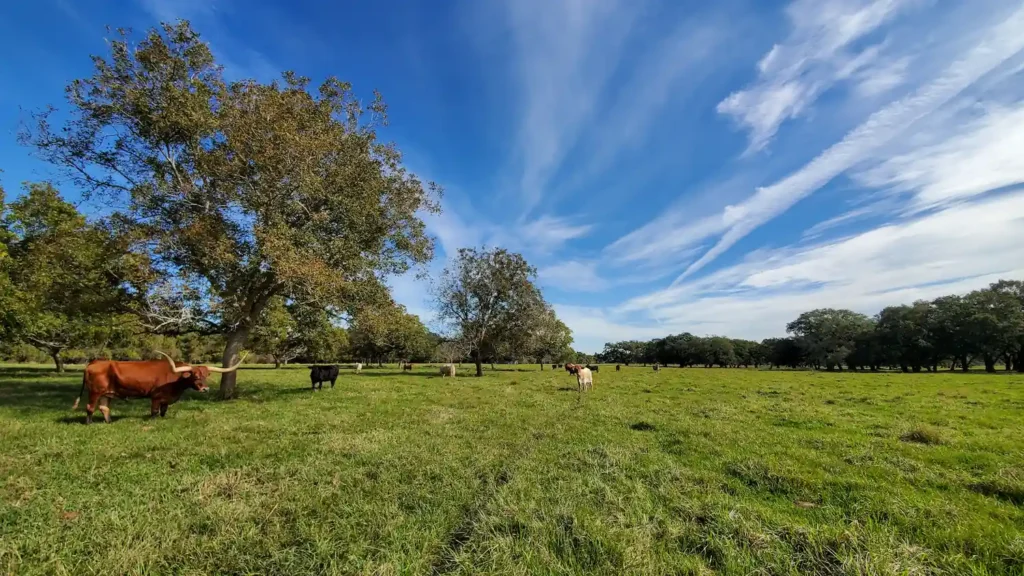
Undeveloped land generally falls into one of three categories, each with different pricing, financing, and development timelines.
- Raw land has no improvements at all. No roads, no utilities, no grading. It’s typically cheaper to buy than land with existing infrastructure, but it takes more time and money to make it usable.
- Transitional land is currently used for something like agriculture or ranching, but sits in the path of a growing city or metro area. As that growth reaches it, the land is likely to shift toward a higher-value use, such as commercial or residential development.
- Commercial land is positioned and often prepared for commercial development, whether that means retail, industrial, multifamily, or mixed use.
Knowing which of these categories the land you’re considering falls into shapes almost every other decision in the buying process, from financing to timeline to exit strategy.
Confirm Zoning and Permitted Use
Zoning determines what you’re legally allowed to build or operate on a piece of land, and it’s one of the first things to confirm. A large share of land in Texas is unincorporated. It sits outside any city’s limits and may not carry traditional zoning at all. Land inside a city’s extraterritorial jurisdiction, or ETJ, can still be subject to certain municipal rules even without formal zoning, and counties have their own development regulations for things like subdivision, drainage, and road standards.
Before buying, confirm:
- Whether the parcel is inside city limits, in a city’s ETJ, or fully unincorporated
- What the current zoning or land use designation allows
- Whether a rezoning or variance would be required for your intended use
- Any deed restrictions recorded against the property, which can be more limiting than zoning itself
Check Utility Access and Site Infrastructure
A property’s price often reflects how much infrastructure is already in place. When electricity, water, and road access are already extended to the property line, it lowers both the cost and the time needed to make the land usable.
Ask specifically about:
- Electricity, and how far the nearest connection point is from the buildable area
- Water, including whether the property has access to a municipal or co-op water line or will need a well
- Wastewater, since many undeveloped parcels rely on septic systems that require a percolation test before installation
- Road access, and whether that access is a public road, a private easement, or something that would need to be established
Easements are worth double-checking on their own. A landlocked parcel that depends on an easement across a neighboring property for access can create complications down the line if that easement isn’t clearly documented and recorded.
Understand Water Rights and Floodplain Exposure
Texas treats water rights differently than most people expect. Surface water and groundwater are governed separately, and owning the land doesn’t automatically mean owning unlimited rights to water beneath it or running through it. If water access matters to your plans, whether for irrigation, development, or future resale value, it’s worth confirming what rights actually transfer with the sale.
Floodplain status is equally important to verify early. A property that looks perfectly buildable can still fall partially or fully within a FEMA-designated floodplain, which affects everything from insurance costs to what you’re permitted to build and where. Pulling FEMA flood maps for the specific parcel, not just the general area, is a standard step that’s easy to miss and costly to skip.
Review Mineral Rights and Get a Current Survey
It’s common in Texas for a property’s surface rights and mineral rights to be owned separately, sometimes going back generations. Buying the surface doesn’t guarantee you own what’s underneath it, and depending on how mineral rights were severed, a mineral owner may retain the right to access the surface to extract them.
A title search will show whether mineral rights have been severed from the property and, if so, what that means for your use of the land. Pair that with a current, professional survey rather than relying on an old one. Boundary lines, easements, and encroachments can all change or come to light through a fresh survey, and lenders will typically require one before financing.
Factor in Property Taxes and Agricultural Exemptions
Many undeveloped parcels in Texas carry an agricultural or wildlife management exemption, which can significantly lower the annual property tax bill compared to land taxed at full market value. That exemption isn’t automatic for a new owner, and it comes with conditions: the land generally has to remain in active agricultural or wildlife use to keep the lower valuation.
If you plan to develop the land or change its use, it’s worth understanding the rollback tax exposure ahead of time. Converting exempted land to a non-agricultural use can trigger a rollback tax that recaptures the difference between what was paid and what would have been owed at full valuation, often going back several years. This is a detail that’s easy to overlook during a purchase and expensive to discover afterward.
Plan for How You’ll Finance the Purchase
Financing raw land for sale in Texas doesn’t work like financing a home. Lenders generally view undeveloped land as higher risk since it produces no income and can be harder to resell quickly, which typically translates to larger down payment requirements and shorter loan terms than a conventional mortgage.
Commercial land intended for near-term development may have more financing paths available, particularly if a project already has entitlements, a site plan, or pre-leasing in place. Raw land with no clear development timeline is generally the hardest to finance conventionally, which is why many buyers in that position pay cash or use seller financing when it’s offered.
Work With a Broker Who Specializes in Land
Land transactions involve a different set of questions than a typical commercial building sale, and working with a broker who focuses specifically on land, rather than one who handles it occasionally alongside other property types, tends to make the process considerably smoother.
A land-focused broker can help you evaluate a parcel’s zoning history, utility access, and development potential before you’re under contract. At Republic Commercial Land & Brokerage, that evaluation includes access to both publicly listed and off-market opportunities, which is worth having on your side.
If you’re actively comparing options, you can browse current land listings to see what’s available across our markets, or connect with an associate directly if you have a specific parcel or area in mind.
Line Up Title Work and a Due Diligence Period
Most Texas land contracts include a due diligence or option period, a window of time after the contract is signed where the buyer can complete their research before the purchase becomes binding. This is the window to order a title commitment, walk the property, and confirm the results of any inspections or assessments you’ve arranged, rather than trying to compress all of it into the days before closing.
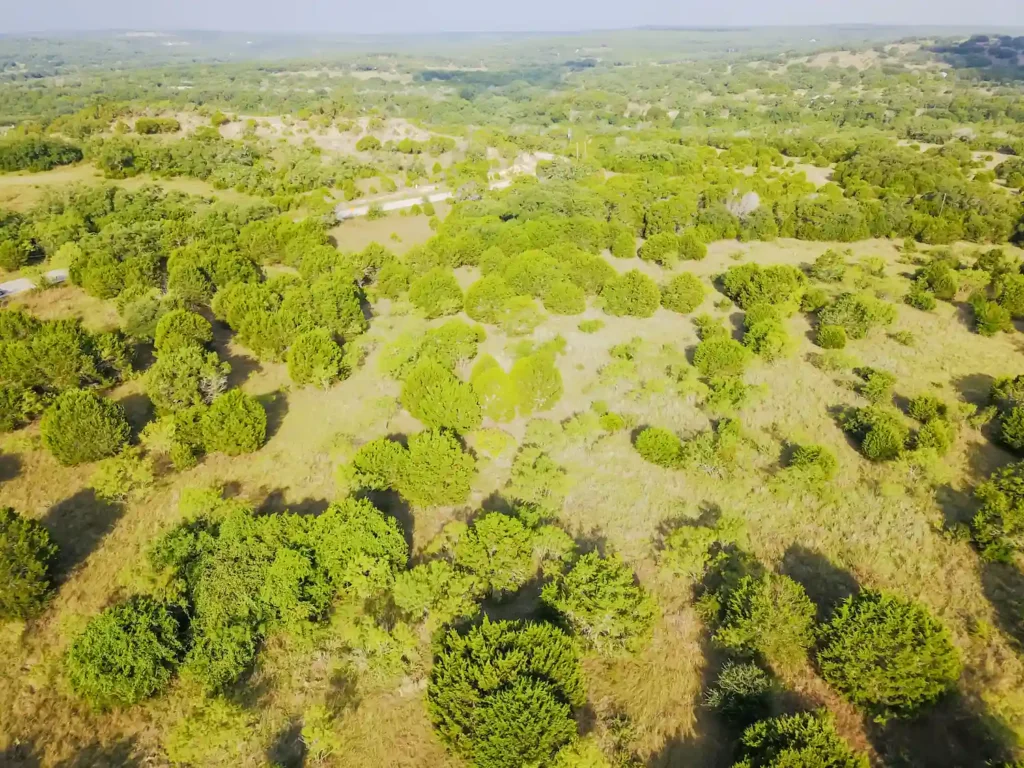
A title company will pull the title commitment, which lays out any liens, judgments, or other claims against the property that need to be cleared before closing. Reviewing it early, alongside the survey and mineral rights research, gives you room to negotiate or walk away if something changes the deal.
Making an Informed Offer on Texas Land
Buying undeveloped land rewards buyers who ask the right questions before they’re under contract. Zoning, utilities, water rights, mineral rights, tax exemptions, and financing all shape what a parcel is actually worth to you, and each one can change the math on a deal that looks straightforward at first glance.
Working through these considerations with an experienced land broker is often what separates a smooth purchase from a costly surprise. Before you close, make sure you’ve covered:
- Confirm zoning, ETJ status, and any deed restrictions
- Verify utility access and easements
- Check water rights and floodplain status
- Review mineral rights and get a current survey
- Confirm the property’s tax valuation and any rollback exposure
- Order title work during your due diligence period
If you’re evaluating commercial or transitional land for sale in Texas, reach out to our team to talk through the specifics of a parcel before you make an offer.